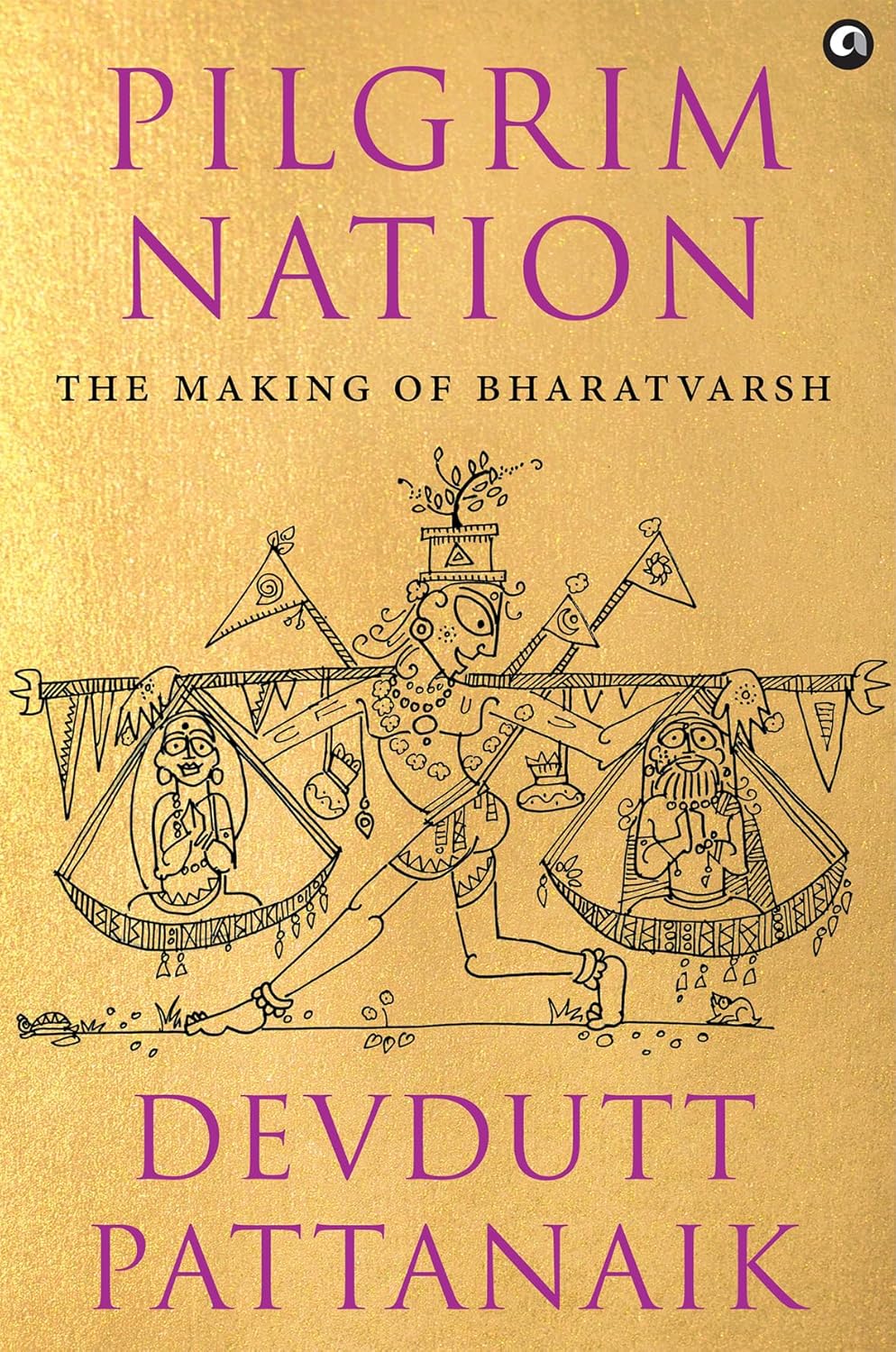
"Pilgrim Nation" by Devdutt Pattanaik
Devdutt Pattanaik's "Pilgrim Nation" is a thought-provoking exploration of the intricate tapestry of Indian spirituality, mythology, and philosophy. With his signature clarity and engaging narrative style, Pattanaik delves into the interactions between deities, introducing readers to the complex dynamics of divine relationships and their implications for human existence.
One of the standout themes in the book is the juxtaposition of Shiva and Vishnu, two prominent figures in Hindu mythology. Pattanaik brilliantly illustrates how Shiva, the ascetic, and Vishnu, the preserver of dharma, represent contrasting yet complementary elements of life. Through their stories, he shows us that the goddess Shakti plays a crucial role in reconciling these differences, reminding us of the balance between withdrawal and engagement in our own lives.
Pattanaik's philosophical insights are particularly poignant. He emphasizes the idea that there are no villains in the eyes of the divine, highlighting the notion of forgiveness and the potential for redemption. This perspective encourages readers to reflect on their own lives and relationships, promoting a more compassionate viewpoint towards others.
The author's discussion of concepts like the chakra, tirtha, and the significance of Indian temples adds depth to his narrative. His exploration of symbolism, especially in relation to the cyclical nature of life and the impermanence of worldly existence, is both enlightening and enriching. The insights drawn from the Puri Jagannath temple, particularly the portrayal of divine imperfection, resonate on a profound level, encouraging readers to embrace their own vulnerabilities and responsibilities.
Moreover, Pattanaik’s articulation of the ‘debt’ or ‘rina’ concept illuminates a crucial aspect of Hindu philosophy—life is ultimately about giving rather than taking. This emphasizes a transformative approach to living that fosters liberation and connectedness.
In "Pilgrim Nation," Devdutt Pattanaik takes us on an intellectual and spiritual journey that transcends mere storytelling. His ability to intertwine philosophical, scientific, and cultural narratives makes this work not only informative but also transformative. It challenges us to rethink our relationship with the divine, the world around us, and our responsibilities to one another. This book is a must-read for anyone interested in understanding the deeper meanings of Indian culture and spirituality.


Comments
Post a Comment